Common-Mode Current Choke
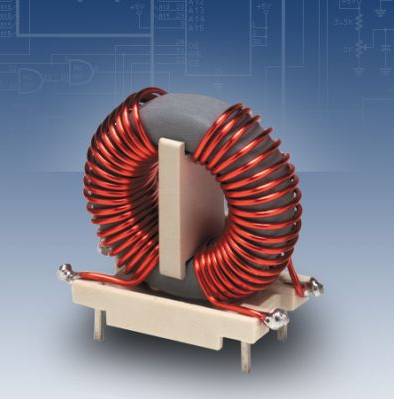
Common-mode current choke is regularly required at the reception apparatus feedpoint to prevent RF current from streaming back through the coaxial feedline shield into the shack. It will keep the coaxial line from turning into a piece of the reception apparatus framework (to go about as a ground outspread) and emanate RF vitality. The gag presents itself as a high-impedance gadget to the basic mode streams. There are numerous business arrangements including the one offered by SteppIR. DX Engineering likewise makes common-mode current chokes planned particularly for vertical recieving wires.
I required one that is outfitted with Type-N connectors and it is likewise equipped for taking care of QRO control levels. After some glancing around, I chose to assemble my own variant. Such stifle is genuinely simple and cheap to assemble and it is a fun venture as well. My choke cost me under $30 and around 2 hours of manufacture time. I found on the Internet an amazing report on the normal mode stifles by W1HIS. I utilized this examination and thoughts as a base when outlining my form of the Choke.
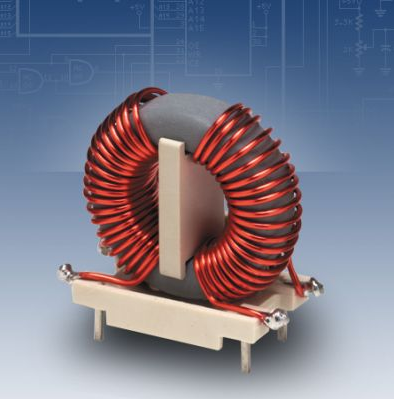
The bill of materials incorporated a climate verification electrical intersection box from Home Depot, 2 bulkhead female Type-N connectors, stainless steel equipment (8 screws, 16 nuts, 12 washers, 8 bolt washers), some de-fastening interlace, non-destructive RTV silicone, 4 little gage ring connector terminals, around 5' of Times Microwave LMR-240 coaxial link and 18 ferrite toroids made by FairRite (Part# 2643801002) - blend 43, OD 28.5mm, ID 18.5 mm, H 7.5mm.
I chose the Times Microwave LMR-240 as a result of the little size (same as RG-8X), bring down misfortune (strong focus conductor), better protecting (fortified aluminum thwart notwithstanding the twist) and furthermore better influence appraisals. By and large, this link is a superior adaptation of the well known RG-8X.
The blend 43 toroids are favored for HF gags and they function admirably on the higher HF frequencies (10 meters). Once in a while blend 31 is utilized as this blend gives better constriction on the lower groups particularly 160 meters yet for my situation blend 43 appeared a superior decision. The impedance of this stifle ought to be more noteworthy than 1 kOhm up to 18 Mhz and potentially much higher. The SWR of the reception apparatus is generally low so I don't expect extraordinary arrangement of warming in the choke.
Related Reading: Current Transformer Core, Amorphous Transformer Cores, Common Mode Core
Go here for a full review of Common mode choke core
Comments
Post a Comment